
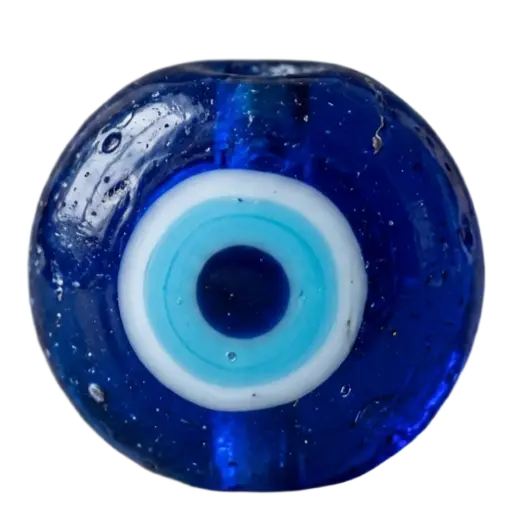
Object & symbol
Nazar / Evil Eye
A protective-eye motif widely used across Mediterranean, West Asian, and neighboring traditions. A Nazar object may be glass, ceramic, stone, or another material; the symbol does not identify what it is made from.
Have an account? Sign in to check out faster.
Materials · 22-entry encyclopedia
A visual material drawer with transparent-background stone studies, names, identity, care, and naming cautions. There are no current-versus-archive labels because this is reference material, not inventory.
Select any material card to open its visible range, identity, naming note, care guidance, and related reading.
 Chalcedony
Black Agate
Open material note
Chalcedony
Black Agate
Open material note
 Tourmaline group
Black Tourmaline
Open material note
Tourmaline group
Black Tourmaline
Open material note
 Chalcedony
Blue Lace Agate
Open material note
Chalcedony
Blue Lace Agate
Open material note
 Quartz
Clear Quartz
Open material note
Quartz
Clear Quartz
Open material note
 Quartz growth form
Elestial Quartz
Open material note
Quartz growth form
Elestial Quartz
Open material note
 Quartz
Herkimer Diamond
Open material note
Quartz
Herkimer Diamond
Open material note
 Nephrite jade
Hetian Jade
Open material note
Nephrite jade
Hetian Jade
Open material note
 Quartz
Inclusion Quartz
Open material note
Quartz
Inclusion Quartz
Open material note
 Trade-named rock
Kambaba Jasper
Open material note
Trade-named rock
Kambaba Jasper
Open material note
 Feldspar
Labradorite
Open material note
Feldspar
Labradorite
Open material note
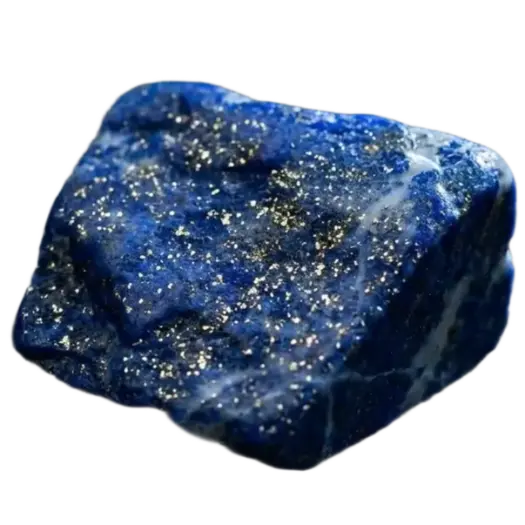 Rock aggregate
Lapis Lazuli
Open material note
Rock aggregate
Lapis Lazuli
Open material note
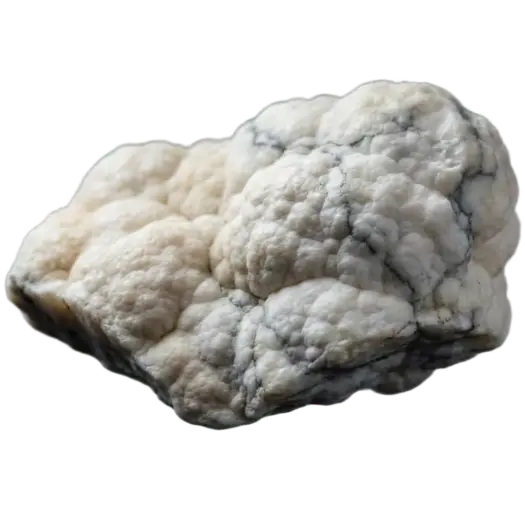 Magnesium carbonate
Magnesite
Open material note
Magnesium carbonate
Magnesite
Open material note
 Feldspar
Moonstone
Open material note
Feldspar
Moonstone
Open material note
 Chalcedony
Moss Agate
Open material note
Chalcedony
Moss Agate
Open material note
 Quartz growth form
Phantom Quartz
Open material note
Quartz growth form
Phantom Quartz
Open material note
 Trade-named metamorphic rock
Picasso Jasper
Open material note
Trade-named metamorphic rock
Picasso Jasper
Open material note
 Jasper / chalcedony
Picture Jasper
Open material note
Jasper / chalcedony
Picture Jasper
Open material note
 Chalcedony
Red Agate
Open material note
Chalcedony
Red Agate
Open material note
 Jasper / chalcedony
Red Jasper
Open material note
Jasper / chalcedony
Red Jasper
Open material note
 Quartz trade name
Strawberry Quartz
Open material note
Quartz trade name
Strawberry Quartz
Open material note
 Feldspar
Sunstone
Open material note
Feldspar
Sunstone
Open material note
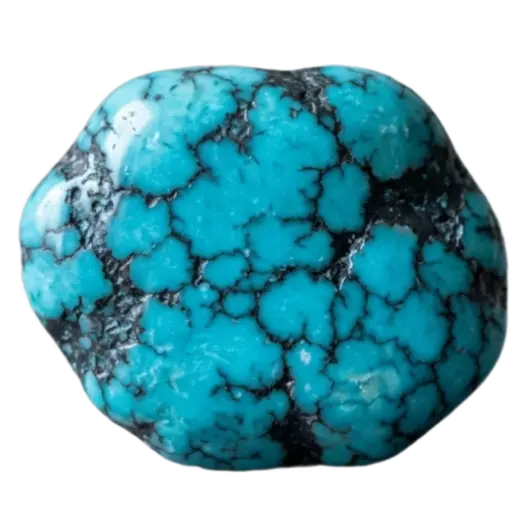 Copper aluminium phosphate
Turquoise
Open material note
Copper aluminium phosphate
Turquoise
Open material note
Separate from mineral identity
Nazar and Eye of Horus stay discoverable here, but their cultural history, object material, and modern use are described separately from mineral identity.
A protective-eye motif widely used across Mediterranean, West Asian, and neighboring traditions. A Nazar object may be glass, ceramic, stone, or another material; the symbol does not identify what it is made from.
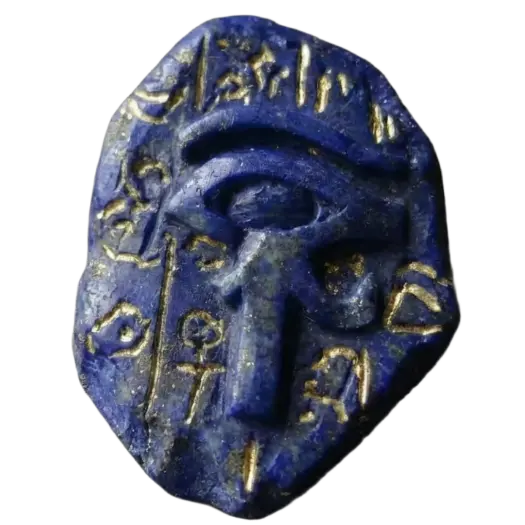
An ancient Egyptian symbol with a long cultural history. A modern carving or bead should name the actual stone or manufactured material separately from the motif.
It identifies materials, trade names, visible traits, treatment questions, and safer care defaults. Traditional associations can be discussed as tradition, not as medical fact or a promised result.
Material literacy
The visual drawer is the index. These four layers explain how à la luck separates what can be observed, what can be evidenced, and what remains personal.
01 · Identity
A familiar market name is not always a formal mineral species. Lapis lazuli is a rock aggregate; “Herkimer Diamond” is quartz; Kambaba Jasper is a trade-named rock. The label should keep those distinctions visible.
02 · Visible evidence
Color, translucency, inclusions, matrix, polish, and growth form can be described from a specimen. A photograph alone cannot prove treatment history, mine-level origin, or certification.
03 · Known and unknown
Supplier names stay supplier claims until supporting evidence allows something more specific. Treatment, geographic origin, and inclusion identity are not upgraded from “possible” to “confirmed” for a better story.
04 · Meaning
A stone can carry cultural associations or private meaning without becoming a medical claim. The wearer decides what a piece represents; the material record stays responsible for what the object actually is.
How to use the encyclopedia
Each entry separates material identity, trade naming, visible range, treatment questions, naming cautions, and a safer care default. It is a reference for reading labels and product notes, not an inventory list.
A photograph can show visible color, texture, inclusions, and form. It cannot prove mine-level origin, treatment history, certification, or a complete chain of custody on its own. The exact product page is the final record for the piece being sold.
Start with Identity, then compare the Visible range with the image. Read the Naming note for common trade-name or treatment confusion, and use Care as a conservative default unless the exact product page gives a more specific instruction.
No. Mineral identity and treatment are evidence questions. Symbolism and traditional associations are cultural or personal context; they are not medical facts, diagnoses, or guaranteed outcomes.
Treatment or mine-level origin is stated only when the available supplier record, testing, or other evidence supports it. When evidence is incomplete, the entry names the limit instead of turning a possibility into a fact.
Natural materials vary in color, inclusions, crystal habit, matrix, surface, and cut. A family name describes shared material identity; it does not promise that every specimen will match one reference image.
Use the most conservative instruction for the complete construction. A hard stone can still be paired with softer stone, natural cord, plated metal, pearl, bone, old glass, or adhesive. The exact product page takes priority over this general reference.